Porn Addiction Recovery Timeline
Withdrawal, Cravings, and What to Expect
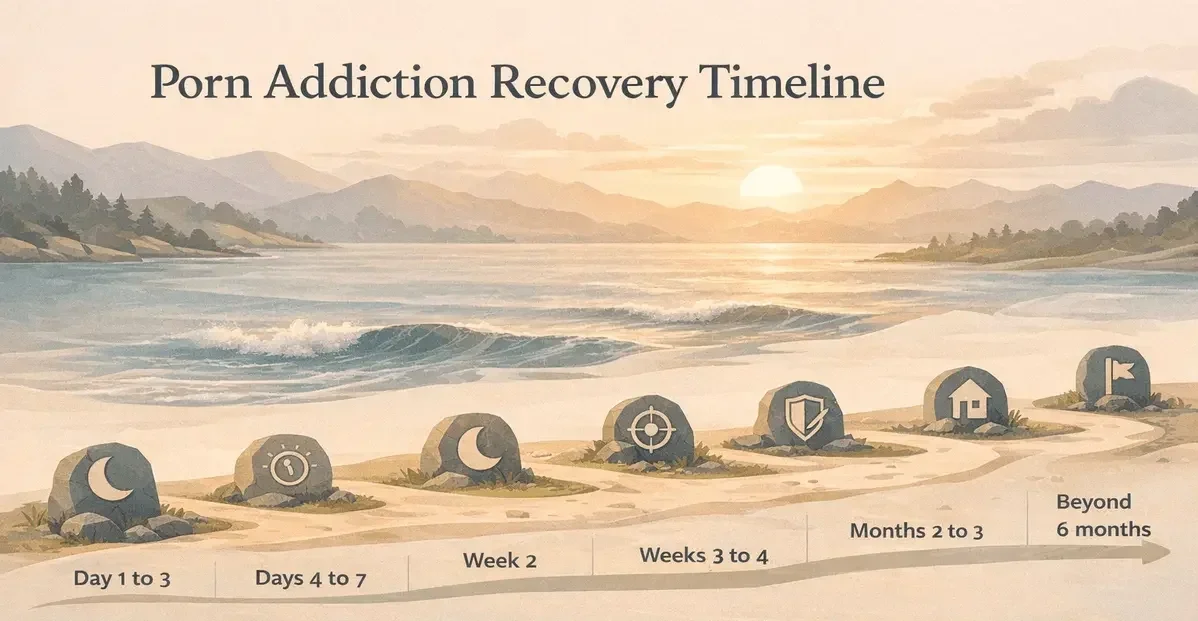
If you are trying to quit porn, you may be wondering how long recovery takes and what is normal to feel along the way.
Most people notice the hardest changes in the first few days or weeks. Cravings, mood shifts, brain fog, sleep changes, and irritability may show up early.
For many people, things begin to feel more stable after the first month, while deeper recovery usually unfolds over several months.
A rough timeline looks like this:
The first few days: cravings, restlessness, bargaining, or sudden urges.
The first two weeks: possible withdrawal-like symptoms, mood shifts, irritability, or low motivation.
The first few months: more stability, clearer triggers, and a stronger sense of self-control.
I specialize in therapy for porn overuse, and this timeline is based on both current research and patterns I often see in clinical work.
This article walks through what many people experience when quitting porn, including porn withdrawal symptoms, cravings, relapse points, and why recovery rarely happens in a perfectly straight line.
Porn Recovery Timeline by Phase
There is no exact timeline that applies to everyone, but many people describe recovery in phases.
The first 72 hours: cravings, restlessness, and the reset window.
Days 4–14: withdrawal-like symptoms, mood shifts, and early rewiring.
Weeks 3–6: clearer triggers, fewer intense urges, and the pattern break.
Months 2–3: more stability, self-trust, and awareness of what porn was helping you avoid.
Months 3–6 and beyond: maintenance, resilience, and building a life that does not depend on porn for relief.
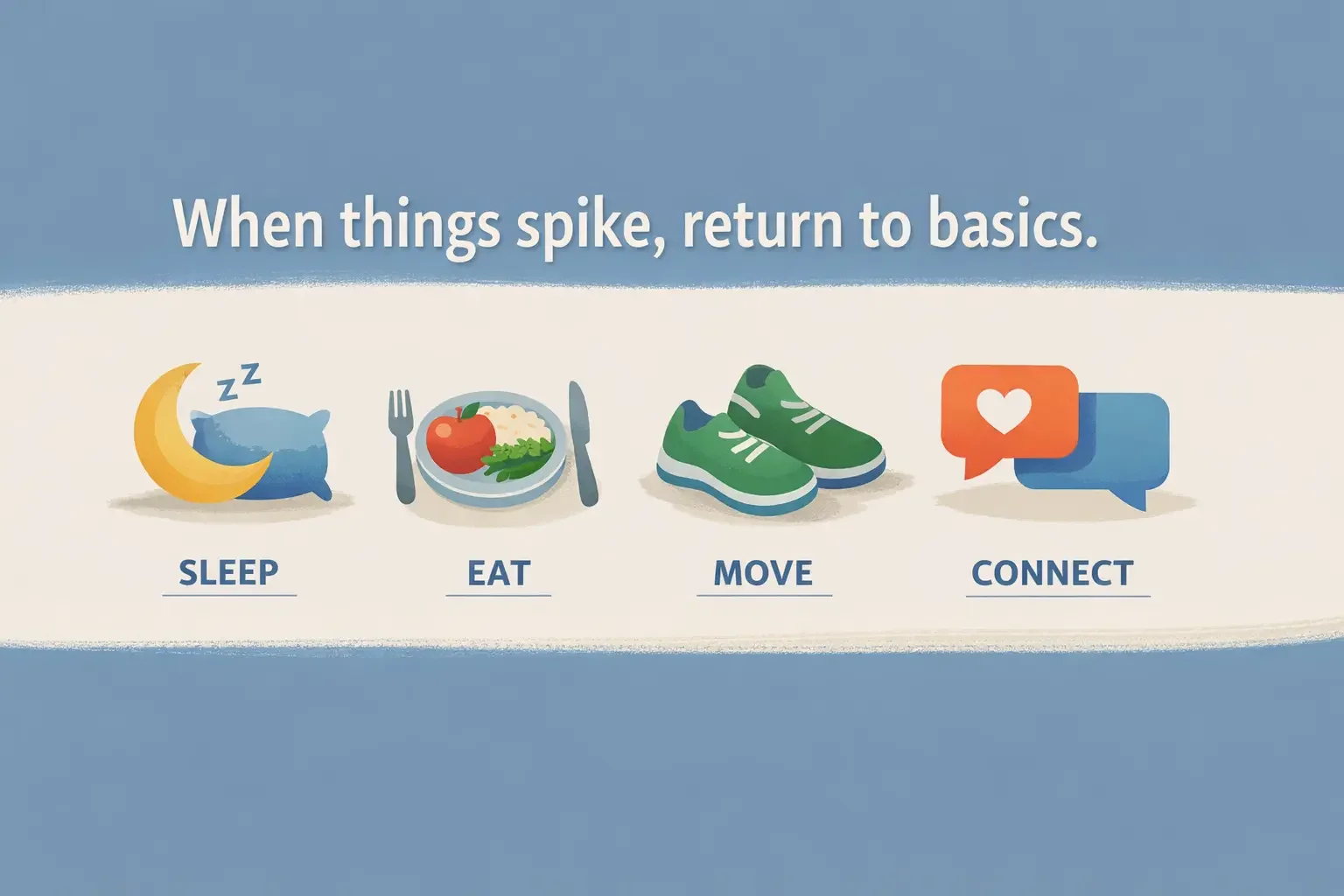
These stages are guides, not requirements. Your timeline may be shaped by stress, sleep, ADHD traits, loneliness, relationship strain, and how much structure you have in daily life.
The First 72 Hours: The Reset Window
What you may feel like
“I can’t stop thinking about it.”
“My body feels restless, like I can’t settle.”
“Part of me wants to quit, and part of me is already looking for a loophole.”
What may happen
The first few days of quitting porn can bring a lot of mental noise. Cravings may show up quickly, especially if porn has been part of your stress relief, bedtime routine, or way of checking out.
You may notice bargaining thoughts like, “I’ll just look for a second,” “This does not really count,” or “I’ll start again tomorrow.” This often means the habit is still close to the surface.
Why this may happen
Your brain and body may still be expecting the familiar sequence: trigger, urge, porn, relief. In the first 72 hours, the main task is to create enough space between the urge and the behavior.
Clinically, what I’m looking for here
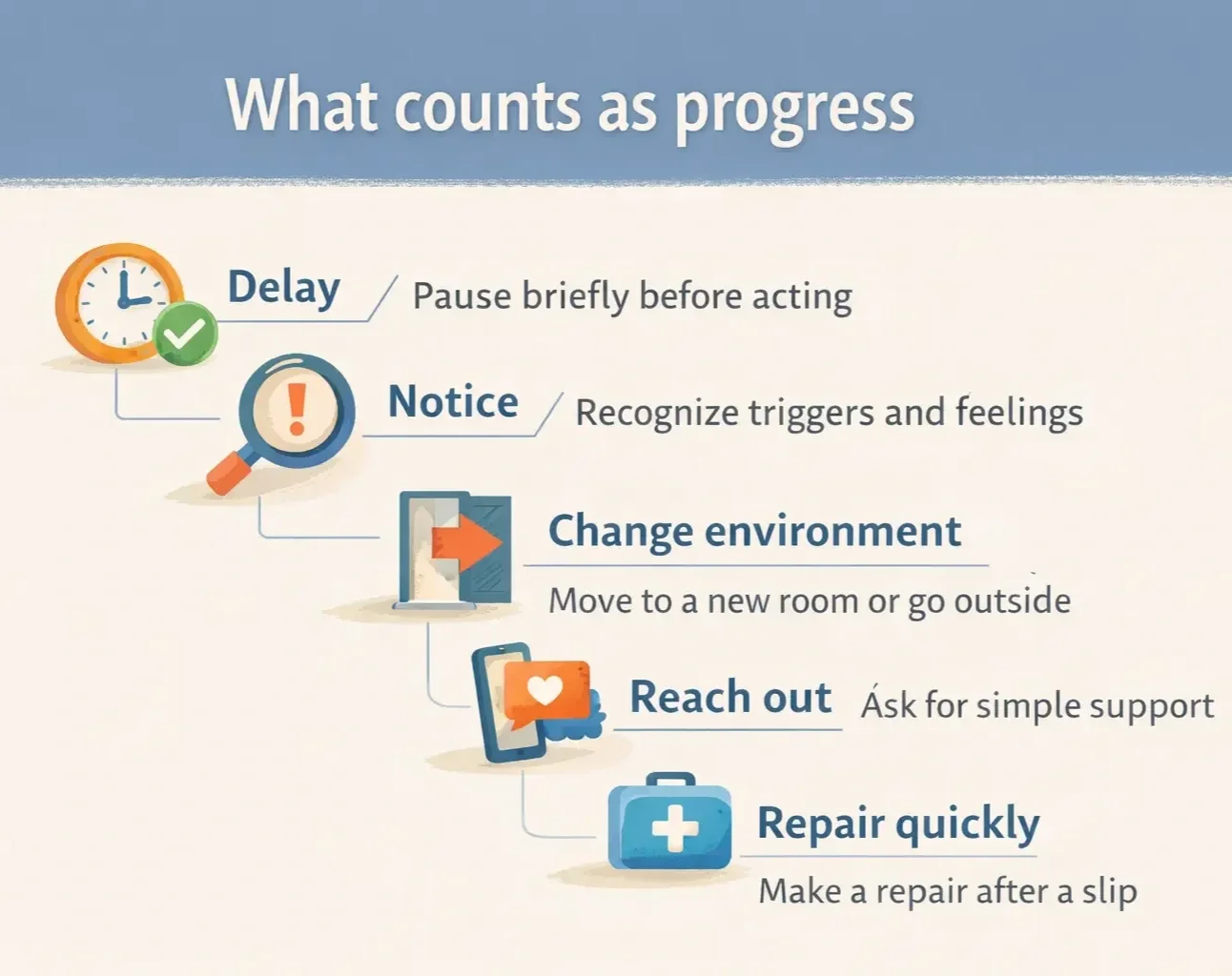
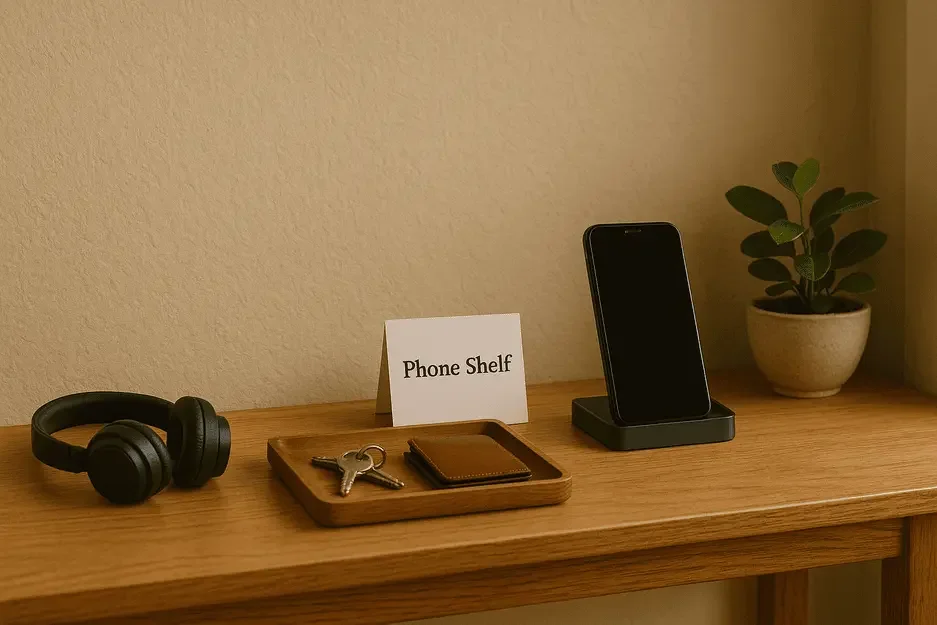
In the first few days, I am usually less focused on whether someone feels confident and more focused on whether they can interrupt the automatic pattern. Even a brief pause, a change in location, or making the old routine less available can matter.
The goal is not to have the whole recovery process figured out. The goal is to begin showing your system that an urge does not have to turn into a behavior.
Days 4 to 14: Porn Withdrawal Symptoms and Early Rewiring
What you may feel like
“Why do I feel worse now that I stopped?”
“My mood is all over the place.”
“I thought I would feel better by now.”
What may happen
For some people, days 4 to 14 are when porn withdrawal symptoms feel most noticeable.
You may feel more irritable, restless, emotionally sensitive, or distracted than usual. Sleep can feel more disrupted, and urges may come in waves instead of fading in a straight line.
Some people also notice libido changes during this stage. Desire may feel unusually strong, unusually low, or confusingly inconsistent. That can be unsettling, but it does not automatically mean something is wrong.
Why this may happen
If porn has been a regular way to manage stress, boredom, loneliness, or emotional discomfort, stopping can make those feelings more noticeable. The problem may not be that quitting porn is “making you worse.” It may be that porn was helping you avoid what was already there.
This is also the point where early motivation can fade. The first few days may be carried by determination. The second week often requires more structure.
A common pattern I see
This is often the stage where people realize porn was doing more than creating pleasure. It may have been helping them manage stress, loneliness, shame, boredom, or the feeling of being emotionally overloaded.
When that coping tool is removed, those feelings can become louder for a while. That does not mean quitting was a mistake. It means the recovery process may need to focus on the underlying pressures that porn was helping them escape.
What Are Porn Withdrawal Symptoms?
Research on withdrawal-like symptoms in problematic pornography use is still developing, but many people report uncomfortable changes after they stop or reduce pornography use.
Common withdrawal-like symptoms often fall into a few categories:
Cravings and urges: You may feel pulled back toward porn, especially during familiar times of day or after stress. This can happen because your brain and body are used to porn as a fast route to relief, stimulation, or escape.
Mood and emotional changes: Irritability, anxiety, sadness, or mood swings may show up more strongly. Sometimes porn was covering up stress or loneliness, so those feelings become more noticeable when the habit is interrupted.
Focus and energy changes: Low motivation, restlessness, or fatigue can happen during the adjustment period. Your system may be recalibrating after losing a familiar source of novelty and stimulation.
Sleep and libido changes: Sleep may feel lighter, and sexual desire may feel unusually high or unusually low.
These symptoms do not mean you are failing. They usually mean your system is adjusting, and that recovery needs more than willpower. It needs structure, support, and a better way to respond when discomfort shows up.
How Long Does Porn Withdrawal Last?
Porn withdrawal does not have one exact timeline. For many people, the strongest withdrawal-like symptoms happen in the first few days or weeks.
Porn is not a substance dependence, so withdrawal is not usually the same as detoxing from a drug or alcohol. Research on compulsive sexual behavior and addiction pathways suggests there may be overlap around craving and cue reactivity.
Some symptoms may settle within a few weeks. But if porn has been covering stress, shame, loneliness, anxiety, or boredom, quitting porn may also reveal what the habit was helping you avoid.
Weeks 3 to 6: The Pattern Break
What you may feel like
“I’m starting to trust myself more.”
“The cravings are still there sometimes, but they don’t feel as constant.”
“I can see my triggers more clearly now.”
What may happen
By weeks 3 to 6, many people begin to notice more stability. Cravings may still show up, but they may feel less constant or less urgent than they did in the first couple of weeks.
You may also notice that cravings do not always fade in a straight line. They can come in waves, even after a better week.
Why this may happen
Once the early intensity settles, there is often more space to understand what was feeding the habit.
This stage can feel encouraging because you may have more clarity. It can also feel frustrating because insight does not always make urges disappear right away.
If you need a more practical next step, my guide on how to quit porn focuses more directly on triggers, routines, and responding after slips.
Clinically, what I’m looking for here
In this phase, I am often listening for whether someone is starting to recognize the pattern earlier. The important shift is not that they never feel an urge. It is that they begin to understand what usually comes before the urge and what helps them return to baseline.
That is often where recovery starts to feel less like a daily battle and more like something that can be understood.
Note: If things are not getting better by this point, there may be more underneath the pattern than porn itself. Anxiety, trauma, chronic stress, loneliness, shame, ADHD traits, or relationship strain can all keep the cycle active. In those cases, the work may need to go deeper, and outside help may be important.
Months 2 to 3: Stabilization and Identity Shift
What you may feel like
“I’m not constantly negotiating with myself anymore.”
“I’m starting to trust myself more.”
“I’m noticing what porn was helping me avoid.”
What may happen
By months 2 to 3, many people feel more stable than they did in the first few weeks. Cravings may still show up, but they often feel less central and less urgent.
Why this may happen
As the habit weakens, there is often more room to notice what was underneath it. That can feel encouraging, but it can also feel vulnerable.
Some people feel proud of the progress and then realize there is still deeper work to do. Recovery may shift from “How do I stop?” to “What kind of life am I building now?”
Clinically, what I’m looking for here
In this phase, I am often paying attention to self-trust. Is the person starting to believe they can respond differently when stress shows up? Are they becoming more honest about loneliness, shame, or unmet needs?
This is often where recovery becomes less about counting days and more about identity, values, and learning how to live without needing porn as the main escape route.
Months 4 to 6: Maintenance and Resilience
What you may feel like
“This is starting to feel more normal.”
“I still have triggers, but they do not take over as quickly.”
“I need to stay aware without obsessing over it.”
What may happen
By months 4 to 6, many people feel more distance from the old pattern. Porn may feel less central, and cravings may be less frequent or easier to understand.
At the same time, this is often where stressful seasons can test the progress. Conflict, travel, isolation, poor sleep, or emotional pressure may bring the urge back more strongly than expected.
Overconfidence and being less strict often can lead to relapses at this stage.
Why this may happen
The habit may be weaker, but the old pathways can still become active under stress. This does not mean you are back at the beginning. It often means your system is running into a familiar pressure point.
Maintenance is less about staying perfectly motivated and more about noticing drift early. A stressful week, more secrecy, less structure, or more late-night scrolling may be signs that the pattern is starting to move closer again.
Clinically, what I’m looking for here
In this phase, I am often looking at how someone responds when life gets harder. Recovery is not only measured by whether urges disappear. It is also measured by how quickly someone notices drift, tells the truth about what is happening, and returns to the supports that help them stay grounded.
Beyond 6 Months: Long-Term Porn Recovery
What you may feel like
“This is not taking up as much space in my mind.”
“I still need awareness, but I do not feel defined by this.”
“I’m thinking more about the life I want to build.”
What may happen
Beyond 6 months, porn may feel less like the main issue and more like one part of a larger recovery process. Many people begin paying more attention to relationships, honesty, emotional maturity, sexual expectations, faith, and the kind of life they want to move toward.
Triggers can still happen, but the bigger question often becomes whether your life has enough connection, structure, meaning, and support to keep the old pattern from becoming necessary again.
Why this may happen
Long-term recovery is often less about counting days and more about becoming someone who can face discomfort, desire, stress, and loneliness without needing to disappear into porn.
This is also where quiet confidence can build. A person at this point did not just quit porn, they also worked on deeper issues within themselves to gain more control over their actions.
Clinically, what I’m looking for here
At this stage, I am usually listening for whether recovery has become part of the person’s identity in a grounded way. Not shame as an identity, and not superiority because they have “fixed it,” but a quieter sense of honesty, responsibility, and direction.
The Stages of Quitting Porn
Another way to understand the porn recovery timeline is to think in stages rather than exact dates. Not everyone moves through these stages in a perfect order, but many people recognize some version of this pattern.
Stage 1: Understanding the pattern
The first step is often getting honest about what porn has been doing for you. It may be connected to stress, shame, loneliness, boredom, anxiety, or the need to feel relief quickly. When you understand the pattern more clearly, the behavior usually starts to make more sense.
If you are still wondering whether this is a habit, a coping pattern, or something more serious, it may help to look at the signs of porn addiction.
Stage 2: Interrupting the habit
Once the pattern is clearer, the next step is creating space between the urge and the behavior. This may mean changing routines, reducing easy access, or noticing the moments when porn becomes the default way to check out.
Stage 3: Meeting the underlying need differently
Longer-term recovery is not only about avoiding porn. It is about building healthier ways to meet the need underneath the urge, whether that need is for rest, comfort, connection, emotional regulation, or a break from pressure.
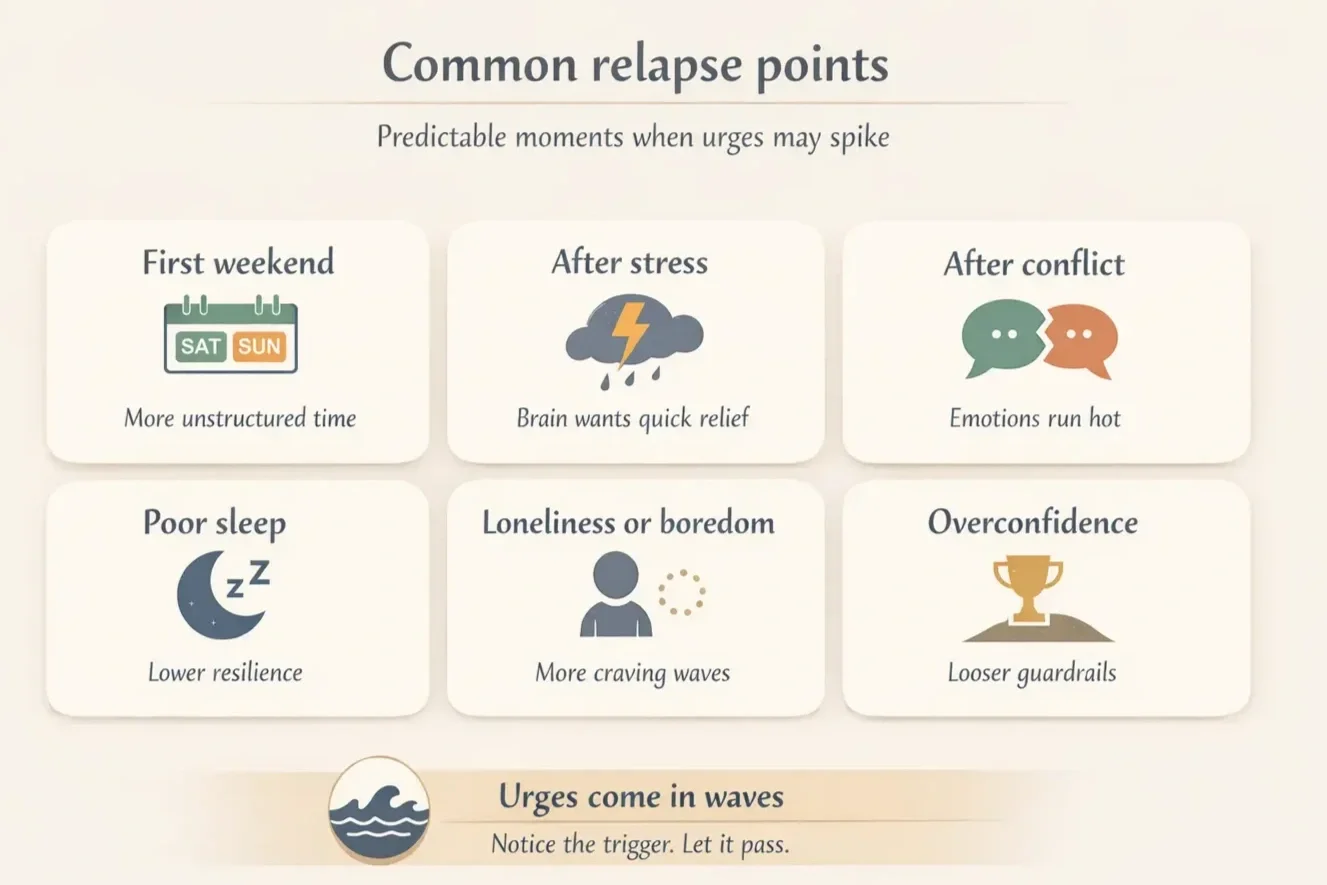
Common Relapse Points in Porn Recovery
Relapse is not the only outcome, but many people benefit from knowing where the pattern tends to become vulnerable again.
Common relapse points include:
Stress after things have been going well: A difficult week, conflict, rejection, or emotional pressure can bring back the urge for fast relief.
Looser boundaries after progress: Once someone feels better, it can be tempting to return to late-night scrolling, isolation, or “testing” whether the old pattern still has power.
Shame after a slip: Sometimes the slip itself is not what pulls someone back into the cycle. The bigger issue is the shame spiral afterward, where one mistake turns into “I already failed, so why keep trying?”
Clinically, I pay close attention to what happens after a setback. Long-term recovery is not about never having a difficult moment. It is about learning how to repair quickly, tell the truth sooner, and not let shame turn one moment into a full return to the old pattern.
When Your Symptoms Don’t Match the Timeline
Variation is normal in porn recovery. This timeline is a map of common patterns, not a test you pass or fail.
If your experience does not match the timeline, it may mean your pattern is shaped by something deeper than frequency of porn use alone.
Stress, sleep, anxiety, depression, ADHD traits, trauma history, relationship conflict, loneliness, or shame can all affect how recovery feels. For some people, porn addiction therapy can help make those patterns clearer and easier to work with.
The goal is to not just focus on how many days it has been. The goal is to understand yourself clearly enough that you can respond to urges with more honesty, support, and direction.
FAQs About Porn Recovery
How long does it take to recover from porn addiction?
Timelines vary. Some people notice changes within the first few weeks, while deeper recovery usually unfolds over several months. The timeline depends on the role porn has been playing, the level of stress in your life, and whether there are underlying issues keeping the cycle active.
How long do porn withdrawal symptoms last?
For many people, the strongest withdrawal-like symptoms happen in the first few days or weeks. Symptoms may include cravings, irritability, mood shifts, brain fog, sleep disruption, or libido changes. Some people feel very little withdrawal, while others notice symptoms for longer.
What if I keep struggling after the first month?
If things are not improving after the first month, there may be more underneath the pattern than porn itself. Anxiety, trauma, chronic stress, loneliness, shame, ADHD traits, or relationship strain can all keep the cycle active.
About the Author
I’m Joseph Brooks, a counselor in Gainesville, Florida. I specialize in porn overuse, relationship strain, and helping people understand the patterns that keep them stuck.
I offer therapy for porn overuse for adults who want support building self-control without shame.
Further Reading
A practical guide for changing the habit, planning for triggers, and responding differently when urges show up.
A clarity-focused article for people who are unsure whether their porn use is a habit, a coping pattern, or something that may need more support.
How Porn Addiction Therapy Works
A what to expect page that explains what sessions typically focus on, how goals are set, and what support can look like over time. Useful if you are considering therapy and want a calm overview first