How Porn Addiction Therapy Works
Feeling stuck in a cycle with porn can be draining. You may have tried willpower, apps, or quick tips and still find yourself pulled back in.
This page is a what to expect overview of how therapy for porn-related concerns typically works, including the kinds of goals we set and what sessions often focus on.
I’m Joseph Brooks. I focus on supporting people through porn overuse counseling.
If you’re looking for the main overview, fees, and how to start, use my Porn Addiction Therapy page. This page is focused on what sessions are like.

Why understanding comes before change
Before we talk about what to do, we start with why this pattern shows up in the first place.
For many people, porn becomes:
a quick way to calm stress or strong emotions
a fast reward at the end of a long day
a habit that runs in the background, even when you do not really want it
This is not about being weak or broken. It is about how your brain, environment, and emotions interact. When we understand that, stopping or cutting back may feel more realistic and less shame based.
A nonjudgmental space to talk honestly
Some people hesitate to start because they feel ashamed or afraid of being judged. As we slowly get to know each other it may get easier to be more open in a safe and confidential way.
In our work together:
a place to talk openly about porn, sex, and habits without being labeled
we often look at setbacks as valuable information, not proof that you failed
we stay curious about what happened, then use that information to adjust your plan
This kind of safety may make it easier to explore patterns around porn use. You’re not trying to force yourself to stop watching — you’re beginning to understand why the pull can feel so strong and what kinds of support or strategies may be helpful for you.
What to expect in early sessions
Below is a simple overview of how I typically approach therapy. We adapt it to fit your goals, values, and comfort level.
“Porn addiction” isn’t currently an official diagnosis; I use the term here because it’s the language many people already use to describe patterns that feel overwhelming or hard to change.
1. getting clarity in early sessions
We often begin by looking at the full picture of your porn use, including:
how often you use porn
when and where it usually happens
what you are feeling before and after
how it affects your sleep, stress, mood, and relationships
Together we decide whether your goal is cutting back, changing the way you use porn, or stopping completely.
You also will learn about how porn may interact with reward pathways, cravings, and habit loops. When it is relevant, we look at how this connects with ADHD, anxiety, or broader screen overuse.
Understanding the science may help some people feel less shame and see their behavior as a pattern rather than an identity.
If you’re still unsure whether your pattern fits, Signs of Porn Addiction offers a brief checklist.
2. building awareness and mindfulness skills
Once we understand the pattern, we practice noticing it in real time.
This can include:
urge surfing: learning that urges rise, peak, and fall if you give them time
noticing triggers: stress, boredom, loneliness, certain apps, or certain times of day
naming emotions: identifying what you are actually feeling when you reach for your phone or laptop
We may draw tools from CBT, DBT, and ACT. The goal is not to control every thought. It is to create a small pause between the urge and the action, so you may create more space for choice.
3. help building supportive structure
Willpower alone is exhausting. Structure helps.
We look at the situations where porn use feels almost automatic and explore whether it is helpful to:
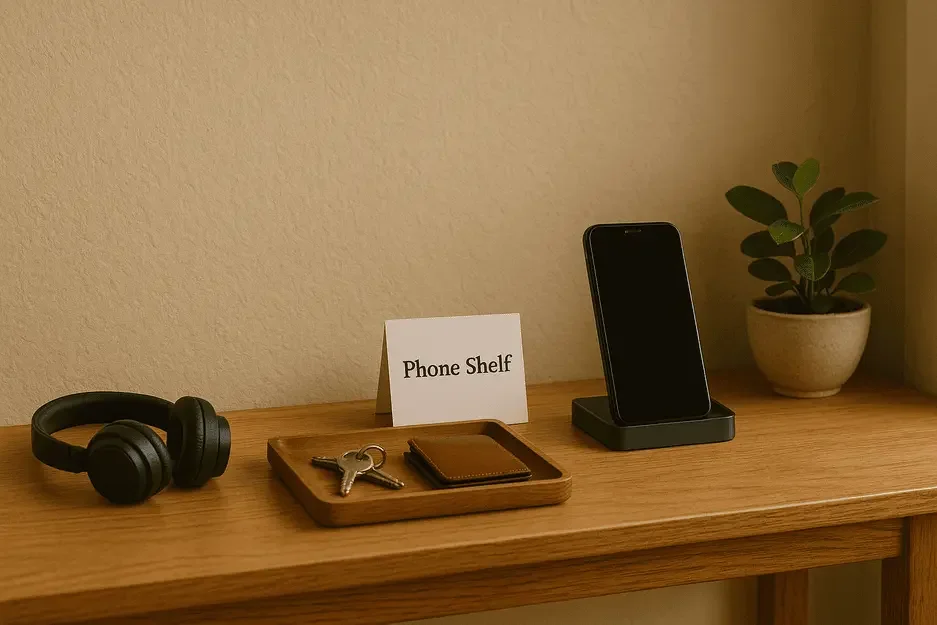
add gentle barriers, such as filters or device rules
change small routines, such as where devices are kept at night
plan ahead for high risk times, like late evenings or stressful days
These are not punishments. They are supports that make it easier to follow through on what you already want.
4. planning for slips and resets
Slips can start long before you open a browser. They might begin with:
more isolation
skipped routines
growing stress and fatigue
thoughts like “I deserve a break” or “one time will not matter”
We can explore a relapse prevention plan that helps you notice early signs and adjust before things escalate.
We also create a clear reset plan so that if you do slip, you have a way to respond without falling into shame or giving up.
5. addressing what is underneath
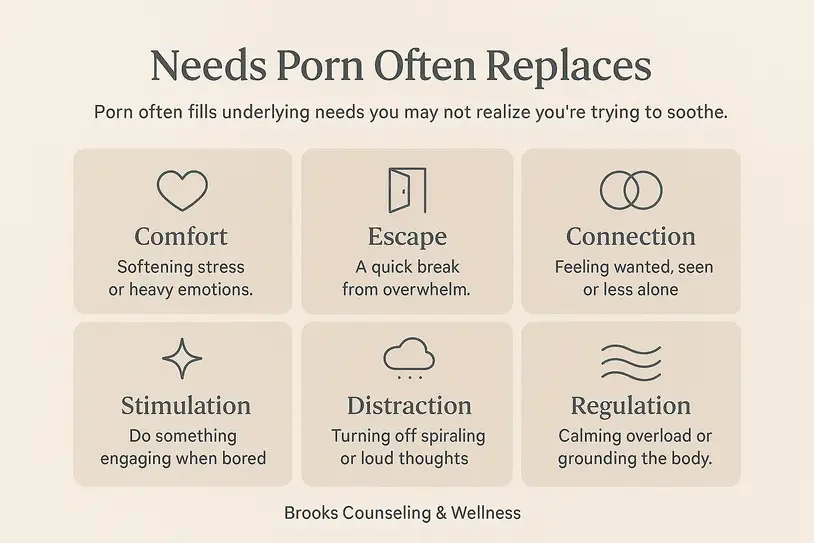
Porn can be used to soothe something deeper, such as:
ongoing stress or burnout
anxiety or nervous system overload
loneliness or emotional disconnection
ADHD related overwhelm and difficulty unwinding
For some people, especially those who are sensitive to stimulation and focus issues, porn can tie into a broader pattern of digital overuse.
We explore these parts of your life at a pace that feels safe. When you have healthier tools to handle stress and emotion, for some people the pull toward porn naturally becomes less intense.

6. lifestyle integration
Change is not only about what you stop doing. It is also about what you add back into your life.
We look at:
sleep and daily energy
movement and body awareness
stress management and downtime that actually feels restorative
hobbies, relationships, and purpose
When your life feels fuller and more aligned with your values, some people notice it may become more manageable to keep going with changes related to porn.
7. rebuilding self worth and connection
As the cycle loosens, some people notice they feel more:
present in relationships
grounded in their own values
confident in their ability to handle urges and stress
We spend time strengthening these gains, working on self compassion, and reconnecting you with parts of yourself that may have been buried under stress, secrecy, or habit.
About Me
I’ve worked with many adults who have felt overwhelmed by stress and porn use.
Sessions are low pressure, collaborative, and focused on realistic goals, not perfection.

Joseph Brooks, MA, RMHCI
Founder and Owner, Brooks Counseling & Wellness
Master of Arts in Clinical Mental Health Counseling
Florida registration status: Active
Clear Through: 10/2030
Registered Mental Health Counselor Intern (IMH28583)
Supervised by Jorelle Degen, LMHC (MH14882)
Florida Board of Clinical Social Work, Marriage & Family Therapy, and Mental Health Counseling
Ready to get support?
You do not have to sort this out alone or have the perfect plan before reaching out.
For the full overview, including fees and how to start, visit my Porn Addiction Therapy in Florida page for more details.
Frequently Asked Questions
1. Is it okay if I just want a few sessions and not long-term therapy?
Yes. Many people come in for a short series of sessions to understand their patterns or work through something specific. Others prefer longer-term support. You can choose the pace and duration that feel right for you.
2. What if I’m not sure I want to quit completely?
That’s okay. Some people want to stop using porn altogether, and others want to reduce their use or understand the pattern better. We can explore whichever path feels most realistic and aligned with your values.
3. Will you judge me for what I share?
No. It’s extremely common to feel nervous or ashamed when talking about porn use. My role is to offer a grounded, nonjudgmental space where we look at what’s happening together and move at a pace that feels safe.