
Gambling Addiction Therapy in Florida
Are you tired of saying “this is the last time,” and then finding yourself stuck in the same cycle?
I am currently accepting new clients using Aetna, Cigna, and Florida Blue, as well as private-pay clients.
Gambling can start small and still become a real problem
You may notice things like:
Thinking about bets more than you want to
Telling yourself “just one more” and then losing track
Worrying about money, secrecy, or where this could lead
I help people struggling with sports betting, prediction markets, online and in person casinos, eSports betting, gamified stock and crypto trading, and other gambling-related habits that have started to feel hard to control.
Therapy to help stop the cycle
There is often a pattern underneath the behavior. For many people, gambling becomes tied to stress relief, boredom, loneliness, or thrill seeking.
In therapy, we can work on things like:
Creating a realistic plan for reducing or stopping gambling
Regain self control and understand the pattern
Repairing trust and improving honesty in relationships where needed
The goal is steadier control, more honesty, and a life that feels less hijacked by the cycle.
About Joe
Hi, I’m Joe. I help men who feel stuck in gambling and other compulsive behavior cycles.
I take a nonjudgmental approach because shame and secrecy often make gambling problems worse. Gambling can become a way to escape stress, boredom, loneliness, or difficult emotions. Over time, it can create financial pressure, damaged trust, and repeated attempts to win back what was lost.
We will focus on understanding your triggers, reducing access to gambling, managing urges, and creating practical safeguards. The goal is greater choice and consistency over time, not expecting you to handle everything perfectly from the beginning.
More on How I Work
A nonjudgmental alliance with accountability
A consistent place to be honest about gambling, money, urges, and setbacks without being shamed or lectured.
An evidence-informed, skills-based approach
Practical tools for managing urges, interrupting automatic decisions, and responding differently during stressful or vulnerable moments.
Rebuilding your life, not just stopping gambling
Small weekly changes involving routines, finances, relationships, and meaningful activities so that progress continues outside the therapy room.
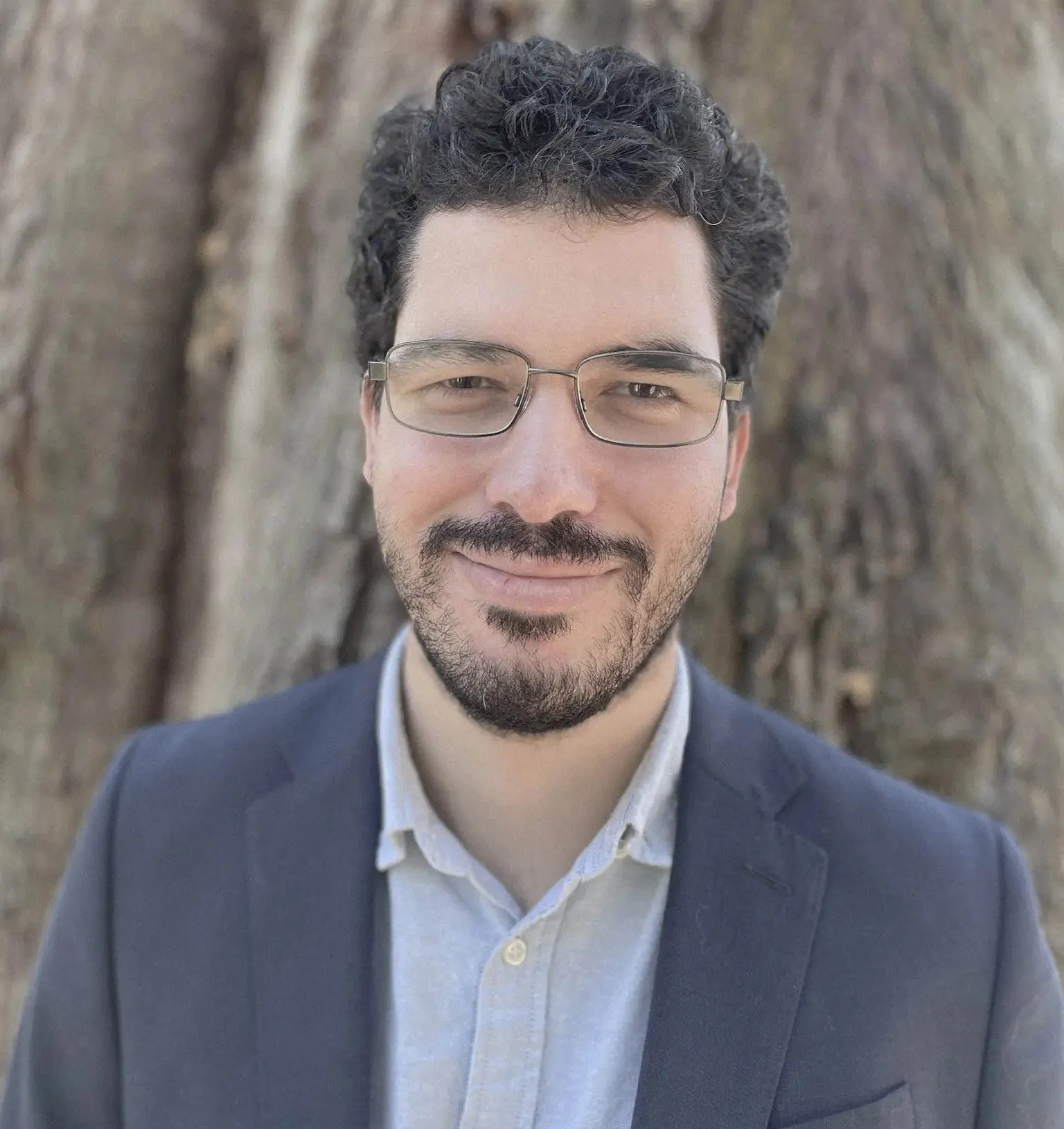
Joseph Brooks, MA, RMHCI
Founder and Owner, Brooks Counseling & Wellness
Master of Arts in Clinical Mental Health Counseling
Specialized in Online Addiction Habits
Florida registration status: Active
Clear Through: 10/2030. Florida Board of Clinical Social Work, Marriage & Family Therapy, and Mental Health Counseling
Registered Mental Health Counselor Intern (IMH28583)
Supervised by Jorelle Degen, LMHC (MH14882)
Based in Gainesville, Florida. Offering in-person and telehealth counseling for adults and young adults
Scheduling Info:
Sessions are 50 minutes and $100 per session, confidential, and available across Florida.
I currently accept Aetna, Cigna, and Florida Blue insurance plans, along with private-pay clients. If you plan to use insurance, I can verify your benefits and provide a free estimate before your first appointment.
How to start:
Schedule online
You can find a time that works with your schedule by clicking the button below.Get clarity and create a plan
In the first session, we map your pattern, identify your highest risk moments, and create a practical plan you can start using right away.Start making small changes
We build skills for urges, make small lifestyle changes between sessions, and keep refining the plan so it holds up in real life.
If this feels like a good fit for you, feel free to book online using the link below.
Some people want just a few sessions to get some clarity, others stay for longer term therapy. Both are completely OK. You will not be charged until your session, and you can cancel or reschedule as needed.
Reviews
★★★★★
“Joe is a pleasure to work with and has a truly thoughtful and welcoming presence as a therapist. I would definitely recommend his services!”
— Emilie D.
★★★★★
“Joe is comfortable to be with and very helpful.” — Robert G.
★★★★★
It’s not always comfortable to talk to a stranger about your problems in life, but to be honest Joe is very easy to talk to and made it feel like a safe place to open up and put words together to address situations and problems in life. I definitely recommend him!
— Luccy R.