Therapy for Teen Gaming Problems
If every new rule becomes a new fight, it’s time for a different approach.
Support for Parents and Teens
Holistic, Real-World Approach
When Video Games Start Taking Over
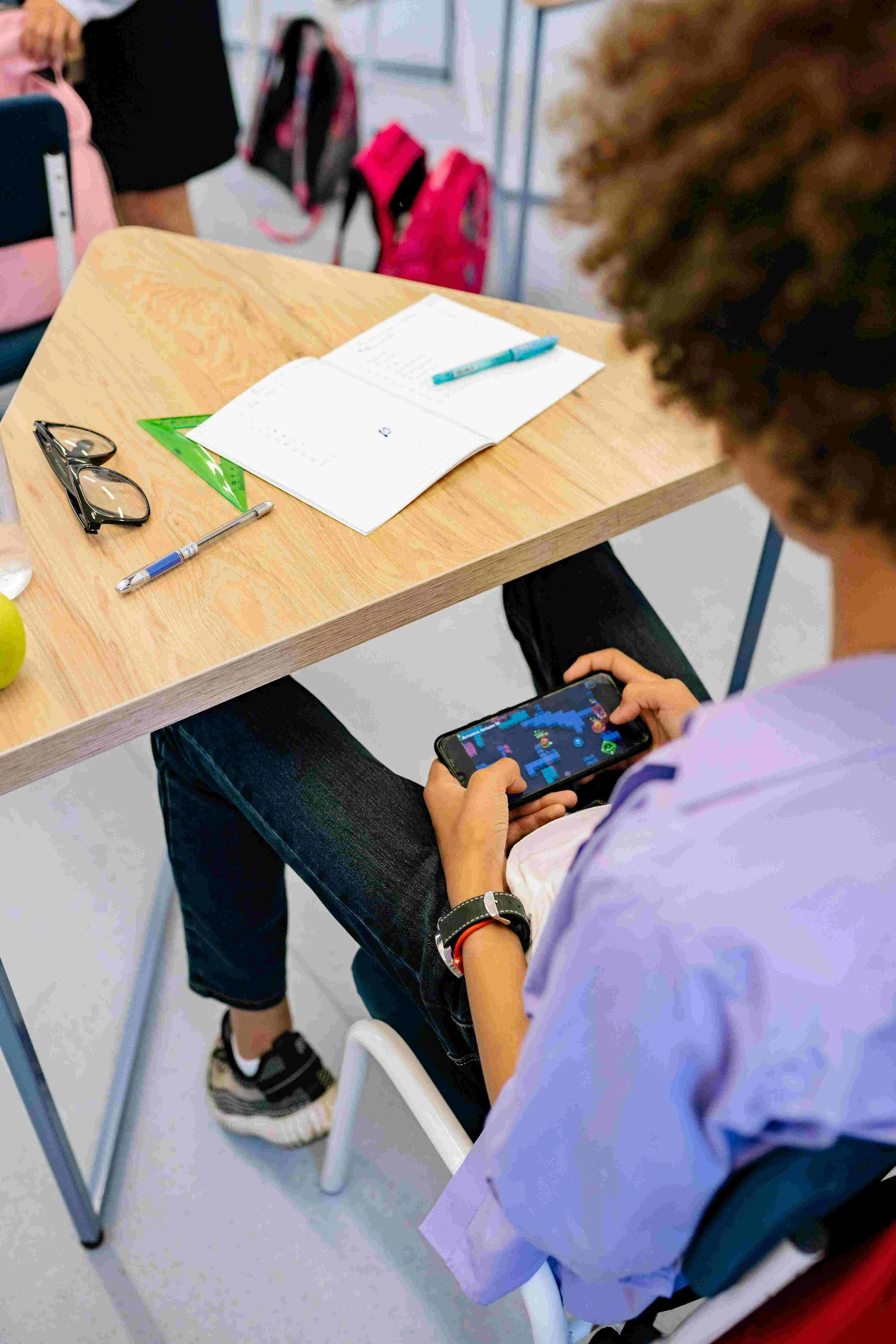
When gaming begins to interfere with school, emotional regulation, family relationships, or healthy development, it’s a sign your teen needs more than another screen-time rule.
At Brooks Counseling and Wellness, we specialize in helping teens and parents navigate problematic gaming. Our work is focused, structured, and designed specifically for families who feel stuck in cycles of conflict, shutdowns, or constant negotiations around video games.
We don’t treat this as a motivation problem or a parenting failure. We help teens reduce their dependence on gaming while rebuilding routines, emotional regulation, and real-world engagement, and we help parents regain clarity, confidence, and consistency at home.


How to Tell If Video Games Are Becoming a Problem for Your Teen
Common signs parents notice
Your teen may be:
Struggling with responsibilities
Homework goes unfinished, grades drop, or chores are ignored.Preoccupied with gaming
They seem mentally elsewhere, or have difficulty focusing on anything that isn’t gaming-related.Difficulty with relationships
In-person friendships, family connection, and face-to-face communication feel harder or are avoided altogether.Emotionally reactive when gaming is limited
Attempts to pause or reduce gaming lead to anger or intense mood swings that feel out of proportion.Neglecting basic self-care
Sleep schedules slip, hygiene declines, and they always seem rushed to get back online.
When gaming starts to interfere with school, emotional regulation, family relationships, or healthy development, it is a sign your teen needs more than “better discipline” or another screen time rule.
What Makes This Approach Different
• We treat problematic gaming as a coping strategy, not a discipline problem
• Therapy is individualized and practical, not one size fits all
• We address underlying issues like anxiety, ADHD, stress, and low mood alongside gaming
• The focus is on building real-world skills and motivation, not just restricting screens
• Parents are supported through guidance and check-ins without turning therapy into constant family conflict
• The goal is sustainable change that holds outside of sessions, not short-term compliance
8-Week Gaming Reset Plan
A structured plan for parents and teens to reduce gaming-related conflict, improve balance, and build a home routine that actually sticks.
How the plan works
You get a clear 8-week structure, plus short parent sessions built in so you’re not left guessing.
Week 1: Parent Mapping Call (30 minutes)
Week 2: Teen Intake Session (50 minutes)
Week 3: Parent + Teen Alignment Session (50 minutes)
Weeks 4–7: Teen Weekly Sessions (50 minutes)
Week 8: Parent + Teen Review + Next-Step Plan (50 minutes)
How I approach Therapy:
A nonjudgmental alliance with accountability
A consistent place to be honest, track patterns, and reset quickly when you get off track.
Therapy tailored specifically to help with ADHD
Often people give general advice that doesn’t work well for ADHD brains. We focus on tools that work with your brain, not against it.Between session structure
Small weekly experiments and routine changes so progress continues outside the therapy room.

Joseph Brooks, MA, RMHCI
Founder and Owner, Brooks Counseling & Wellness
Master of Arts in Clinical Mental Health Counseling
Specialized in video game and technology issues
Florida registration status: Active
Clear Through: 10/2030
Registered Mental Health Counselor Intern (IMH28583)
Supervised by Jorelle Degen, LMHC (MH14882)
Florida Board of Clinical Social Work, Marriage & Family Therapy, and Mental Health Counseling
How We Help Teens Reduce Problematic Gaming
Many teens use gaming to cope with stress, anxiety, low mood, social pressure, or feeling overwhelmed. Simply removing games without addressing those factors often leads to escalation, secrecy, or replacement behaviors.
Our work focuses on helping teens build healthier ways to cope while supporting parents in creating clearer, calmer boundaries at home.
Individual therapy for teens
This is primarily one-on-one therapy with your teen.
Sessions focus on understanding what gaming provides for them, identifying emotional and situational triggers, and developing practical skills for stress regulation, focus, and motivation. We work on building a meaningful life outside of gaming rather than just taking something away.
Depending on the teen, therapy may include:
reducing stress and emotional overload
improving focus, follow-through, and routines
addressing anxiety, ADHD-related challenges, or low mood
building confidence in offline social and life skills
increasing engagement with school, responsibilities, and interests
An Integrated, Whole-Person Approach
At Brooks Counseling and Wellness, we take a holistic, realistic approach focused on overall wellbeing, not just screen limits. Therapy is tailored to your teen’s needs, strengths, and stressors, with an emphasis on helping them feel better in day-to-day life.
That often includes:
building routines that support sleep, energy, and focus
getting back outside and re-engaging with real-world activities
strengthening social confidence and building more in-person connection
creating a fuller life outside of gaming so limits don’t feel like punishment
We focus on small, achievable changes that build momentum over time, so progress is more likely to stick and less likely to turn into constant power struggles at home.
Parent support and guidance
Parents are not expected to figure this out alone.
While therapy is centered on your teen, we include periodic parent check-ins to support consistency at home. These sessions help parents:
understand the role gaming is playing for their teen
set clearer expectations with less conflict
reduce daily power struggles around screens
respond more effectively to shutdowns, anger, or avoidance
This keeps everyone aligned and helps changes made in therapy carry over into daily life.

Logistics and Fees
We aim to make getting started as straightforward as possible.
Scheduling
Appointments are scheduled online, with flexible telehealth options designed to fit around school and family schedules.
Consultation
A 15-minute parent consult is available at no cost. This is a chance to talk through concerns, ask questions, and decide whether moving forward feels like the right fit.
Session Fee
Individual therapy sessions are $100 per session.
This is private-pay practice and do not accept insurance.
A superbill can be provided upon request for possible out-of-network reimbursement.
Sliding Scale
A limited number of reduced-fee spots may be available depending on current openings.
Ready to Get Started?
If you’d like to talk through what’s been happening with your teen, the next step is to schedule a free 15-minute parent consult.
You can choose a time online that works for you, and we’ll take it from there.
[Schedule a Free Parent Consult]